
Charging an Electric Truck or SUV on Your Reno–Tahoe Road Trip: A Host’s Simple Guide
Hi, I'm Solomon, the host behind Best EV Rentals here in Reno and Lake Tahoe. One question comes up more than any other from guests booking an R1T or R1S: "What about charging?"
If you've never driven an EV, or you're planning a longer trip, that's a fair question. The good news is that it's a lot easier than most people expect. Here's what I tell every guest.
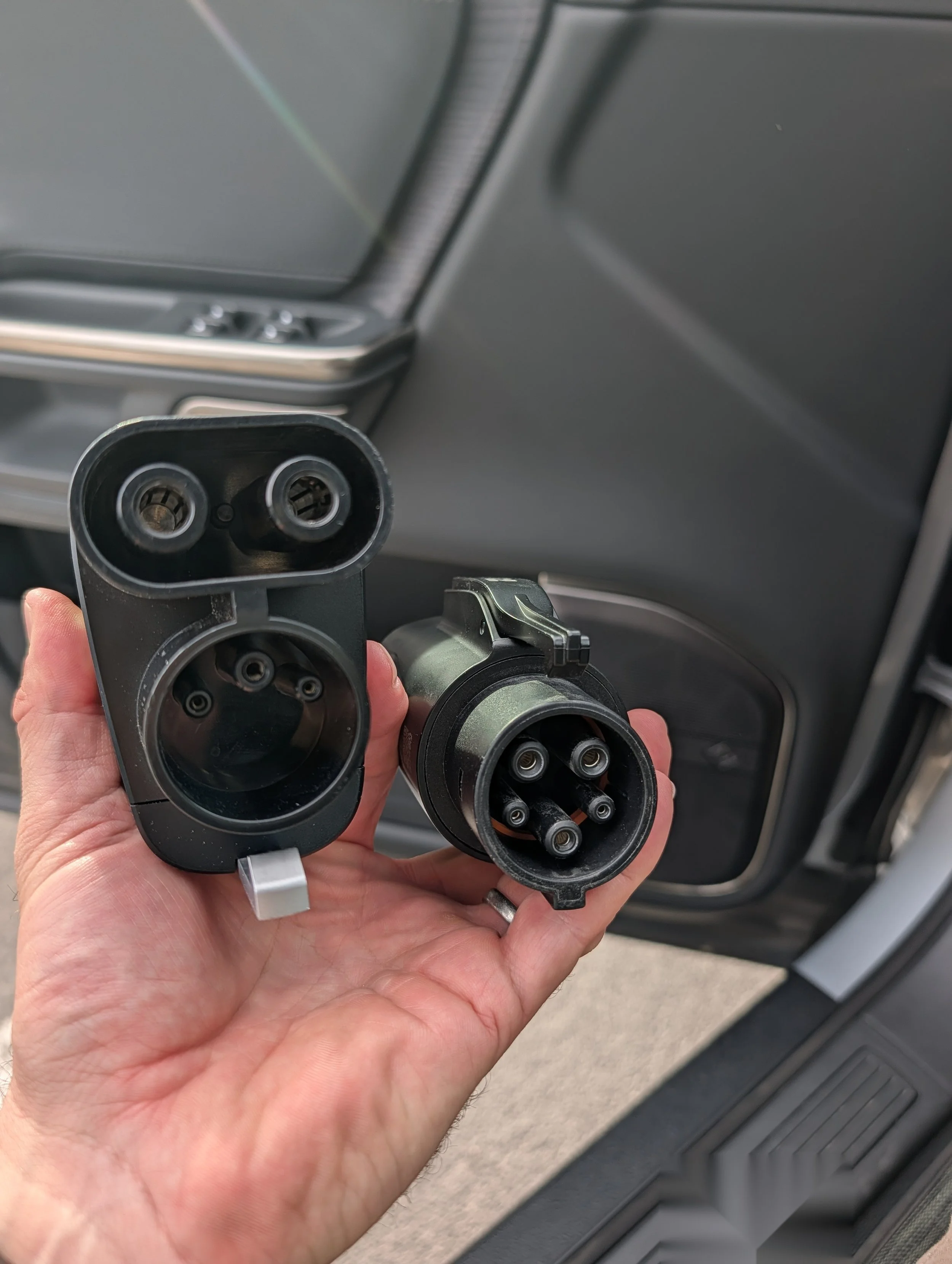
Charging Works Nearly Everywhere
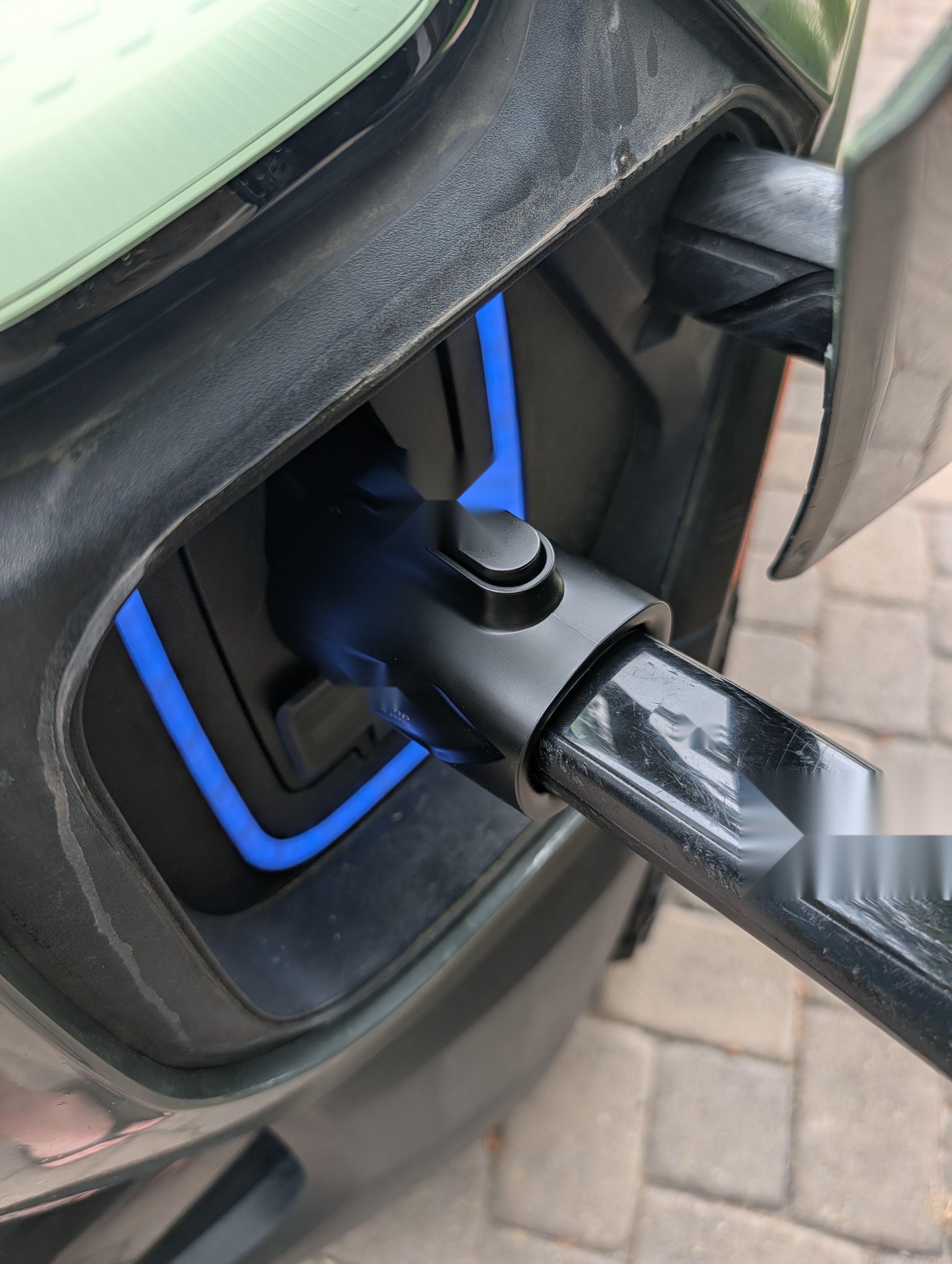
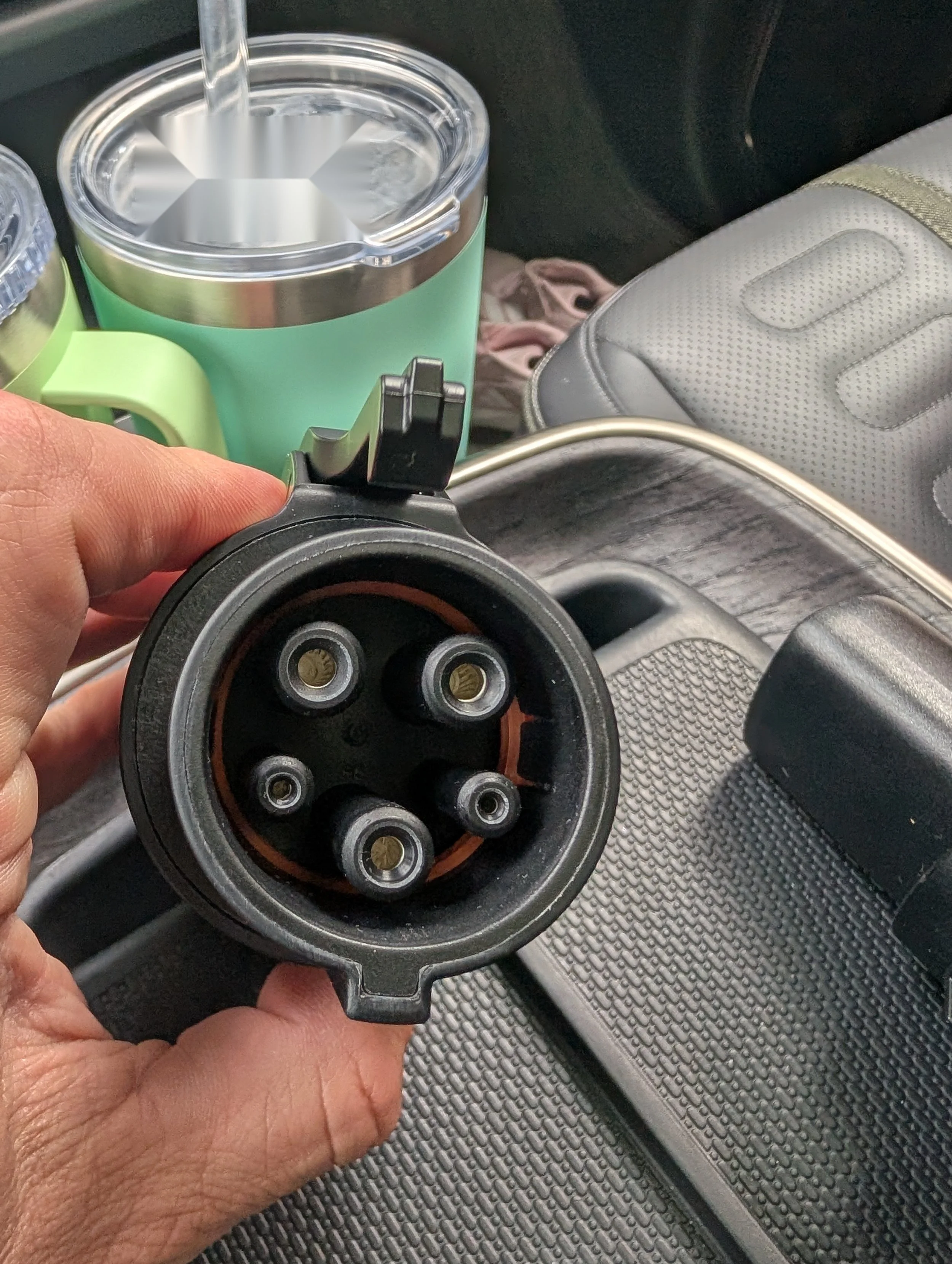
The Gen 1 vehicles in my fleet (the R1T and the 2024 R1S) charge easily at Tesla Superchargers using the included NACS adapter. You'll find it in the center console. The Gen 2 2026 R1S has a native NACS port, so no adapter is needed at all.
Either way, you can charge nearly anywhere: the Rivian Adventure Network, Tesla Superchargers, and other networks. It's seamless.
Even better, these vehicles support Plug and Charge. Just plug in and charging starts. No card, no app, no fumbling with accounts at the station.
Let the Navigation Do the Planning
This is my favorite part. For a road trip, just enter your destination in the vehicle's navigation and go.
The system plans your charging stops for you. As you approach a charger, it also preconditions the battery so you charge faster when you arrive. You don't need to map anything out in advance or download extra apps.
For example, a drive from Reno to Los Angeles or elsewhere in Southern California can be done in one or two charging stops. That's about the same number of breaks most people take for food and stretching anyway.
How Far Can You Go?
Range depends on the vehicle and the driving mode:
Gen 1 Quad, Large pack (in my fleet): about 275–285 miles in All-Purpose mode, and about 303–315 miles in Conserve mode.
Gen 2 2026 R1S, Max pack: about 370 miles.
That's plenty for a ski weekend at Tahoe or a long highway day. A quick tip: use Conserve mode only for steady highway driving. For everything else, including mountain roads and ski trips, All-Purpose is the way to go.
What About Cost? A Look at Home Charging
For my own driving, home charging covers more than 90% of my charging. Here in northern Nevada, that runs about $0.08 per kWh, which is far cheaper than filling up with gas.
On the road you'll use public fast chargers, which cost more than charging at home but keep you moving quickly. Any charging you do during your trip is simply invoiced after your rental, so there's nothing to settle at the station.
My Top Tips for a Smooth Trip
A few simple habits make every trip stress-free:
Don't go below 10% (about 30 miles) without a charger lined up. Think of 10% as your reserve.
Plan ahead in remote stretches. Running out of charge means a tow at the guest's expense, and nobody wants that on vacation.
Use Conserve mode for steady highway driving only.
Trust the navigation. It's built to get you to your next charger with the battery ready.
Stick to paved roads. Whether you're heading up to the slopes or down to SoCal, these trips are all about great highways and mountain roads.
FAQ
Do I need an app or a card to charge?
No. With Plug and Charge, you just plug in and charging begins at supported stations.
Can I use Tesla Superchargers?
Yes. Gen 1 vehicles use the NACS adapter kept in the center console, and the Gen 2 2026 R1S has a native NACS port.
How do I pay for charging during my trip?
Charging during your trip is invoiced after your rental ends.
How low can I let the battery get?
I recommend not dropping below 10% (about 30 miles) unless you already have a charger lined up. Running out means a tow at your expense.
Ready to Try an EV in Reno and Tahoe?
Charging an EV on a road trip really is simple: plug in, let the navigation plan your stops, and enjoy the drive. Whether it's a Tahoe ski weekend or a run down to Southern California, I'd love to host you.
Book your R1T or R1S with Best EV Rentals on Turo today.
Rivian and Tesla are trademarks of their respective owners. Best EV Rentals is an independent Turo host and is not affiliated with or endorsed by either company.
